Computer Vision revolutionizes the automotive industry
Automotive
Driving the evolution of automotive manufacturing, Computer Vision emerges as the indispensable technology
The application of Computer Vision is transforming every facet of the automotive industry, from manufacturing processes to the advent of autonomous vehicles on the road, expanding the realm of AI. Computer Vision is now pivotal in enhancing high-quality mass production and fostering safer working environments for employees.
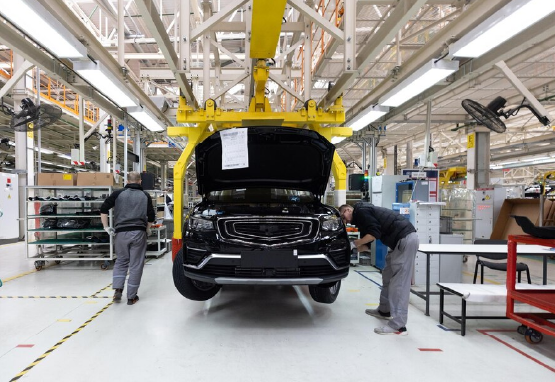
Automobile Assembly Inspection
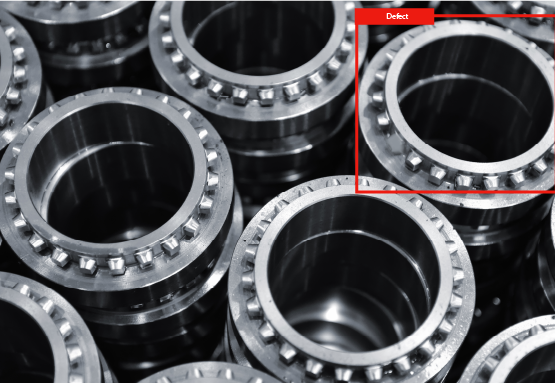
Dimensional Defect Analysis
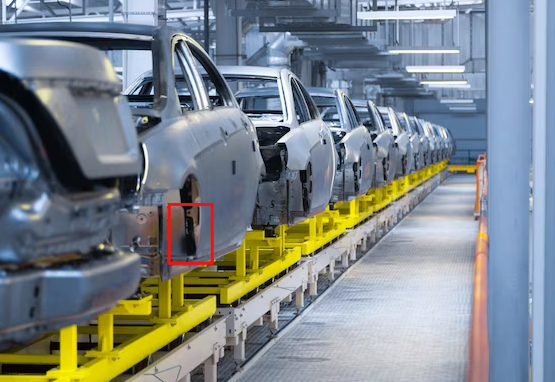
Defect Detection in Manufacturing
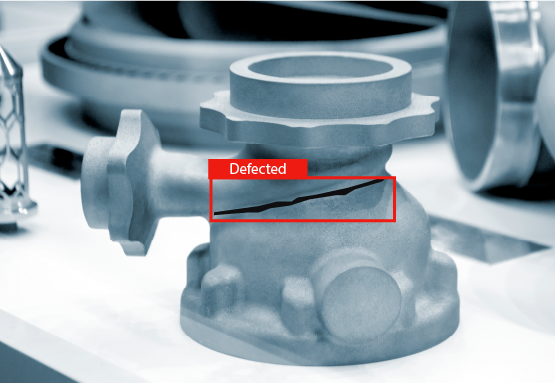
High Pressure Die Cast Defect Detection
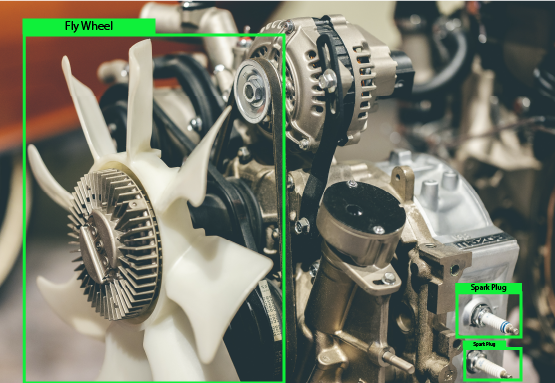
Part Identification

Automated Guided Vehicle
Swiftly create a trained model in just a few hours
Automate annotation and achieve unprecedented control over your annotation workflow. Scale your ground truth creation 10x today.

AI Solutions For Automotive
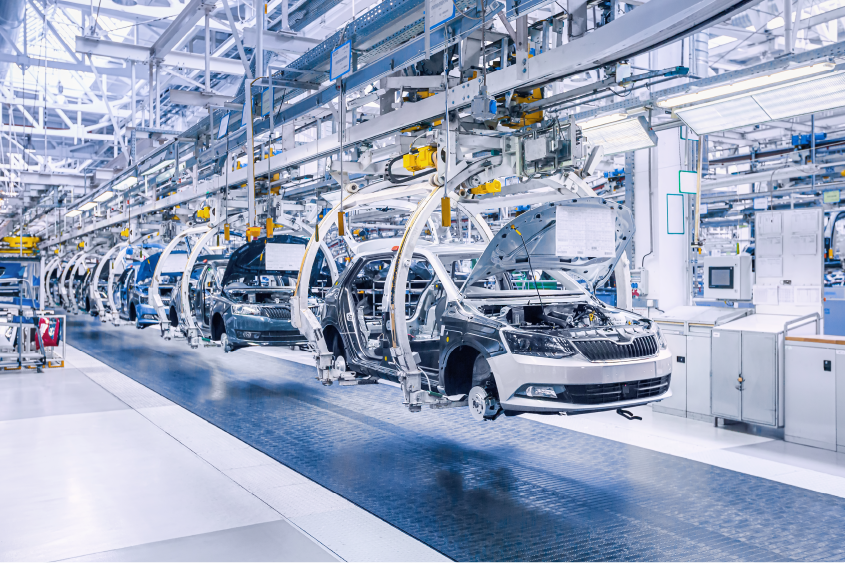

Production Line Automation
Integrating computer vision in production line automation enhances efficiency with real-time quality checks, defect detection, and precise robotic guidance. Ensure high-quality manufacturing with minimal human intervention; UnifyNow accelerates AI solution development for your production line and beyond.
 (1).png)

Quality Control
Computer vision is utilized for real-time quality checks on assembled parts, contributing to improved precision and efficiency in the manufacturing process. Transform quality assurance by using UnifyNow for automating testing and improving quality control at every steps in the production.


Automated Inspection
Computer vision is employed for automated inspection of manufactured parts, ensuring high-quality standards by reducing both false positive and false negative results during production processes. UnifyNow allows you to create your model and scale it as you add more data, helping you to create relevant solution for your specific problems.

Dimension Measurement
Utilizing computer vision ensures accurate measurement of components, meeting specified dimensions and tolerances. With UnifyNow, empower yourself to train a customized computer vision model today, mitigating the risk of human errors in the measurement process.